Thursday, March 31, 2011

For Thought...On Greek Mythological Characters....


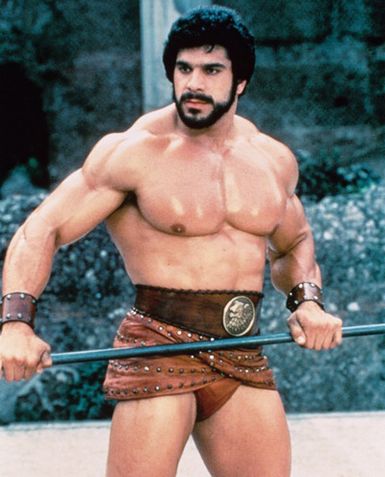
Let's face it - Zeus has it pretty good. He's the king of the Greek gods, he can shoot lightning and control thunder, and can have pretty much whatever he wants. But from a literary perspective, is he a good character? I don't mean "good" in the sense of moral good, which Zeus often wasn't. But was Zeus what you would call a well-rounded character? A big push in literature classes, and a challenge for the authors of famous novel series is to create characters that feel real and have depth, even if those characters aren't real or live in fantastical environments. Some might say then that Zeus could qualify for one of these characters. Sure, anyone would get bored if Zeus purely ruled from Olympus and all his stories entirely revolved around his amazing power that never did wrong or failed. This isn't the case though for him. Zeus had plenty of human flaws for a god. He was notoriously unfaithful to his wife, Hera, who often found out about the affairs (he wasn't crafty enough to even hide half of them) and ended up responding with severe backlashses sometimes. And Zeus wasn't only cheating on the high goddess Hera for another mighty and respectable goddess. His affairs reached even regular, plain mortal women. In fact, this is how Hercules came to be, and he was considered one of the greatest heroes of all time. Everyone knows Hercules has unmatched strength amongst mortals and most divine creatures and beings, and his bravery knew no bounds. But Hercules was also shown in stories to be arrogant, a loose-cannon, and a person who didn't always think things through. With his flaws, Hercules eventually ended up killing his own wife and children - which causes him to be overcome with grief and thoughts of suicide.


I want you to do a little research. Pick one particular character from the realm of Greek mythology - a god/goddess, hero/heroine, or any other character/creature that you can think of. In 250-300 words, write out an arguement about that character after you learn enough about them. I want you to argue for or against that character, stating whether you think that character is or is not a well-rounded, three-dimensional character. Then, you need to back up your words with evidence (summarize some stories, events in their lives that illustrate your points). Add in your own personal thoughts about why or why you do not like/connect to that character.


The concept of the character is an important issue for writers to look at and understand. In order to write the next hit novel, writers need to understand what makes certain characters so compelling and others less.

Greek Mythology, Vocabulary, and Eggcorns

There are some words out there that students, for whatever reason, confuse and write out plain wrong - even if the word looks similar or right. These are called "Eggcorns" - they can be thought of as humorous typos. Here's an example I found that could apply to mythology. I'll bold the eggcorn, which is not the version you want to type/write out. Then following it is a silly sentence created by that eggcorn.


  • Bludgeon/Bloodgeon - The Cyclops bloodgeoned the crew for trying to steal his fatted cows.

"Bloodgeoned", as similar as it looks and sounds to the correct "bludgeoned", is not even a real word. Go ahead, type it into google. It'll tell you to spell it the other way. For those who aren't aware of what the word "bludgeon" means, it's when someone is beat (usually harshly to severely) by a usually blunt, painful object (like those giant clubs the Cyclopes always are seen with - though in real life those would probably kill someone - not just "bludgeon"). Of course, it's hard not to notice, maybe even admire what the eggcorn "Blooodgeon" tries to do - it certainly spells out the end result of a bludgeoning better than the real word itself can. So now, I want you to find your own eggcorns, and write a sentence where it fits somehow into Greek mythology. Be sure to include an explaination about what real word that eggcorn messes up and any interesting things you notice/have to add about that particular eggcorn.

Thursday, March 24, 2011

Greetings!

Hello students! You are now visiting Mr. Solomon's Greek mythology blog! This blog will help supplement our Greek mythology unit. I expect all students to regularly check on this blog at least daily to keep up with the work. When I post something, a response will be due by the next day in class. Now, here are the rules of this blog:

1. No swearing, bad language, slurs, or even "netspeak" (i.e. "lol")
2. You are English students, and as such, you are encouraged and expected to type using the best grammar and spelling that you can.
3. Do not post anything innapropriate. This includes links, videos, pictures, and posts. A general rule: if you think it might not be appropriate, then it probably is and you shouldn't post it. If you're completely unsure and feel a burning desire to share it, email me whatever it is and I'll let you know. The only content that should be shared is content relating to Greek mythology.
4. Do not plagarize or "copy and paste" responses into my blog.
5. Do not insult, make fun of, or otherwise antagonize other student bloggers. Everyone's thoughts and opinions are important and should be respected.

That's it!

For today, I want you to write a short, 200-250 word introduction about yourself.